
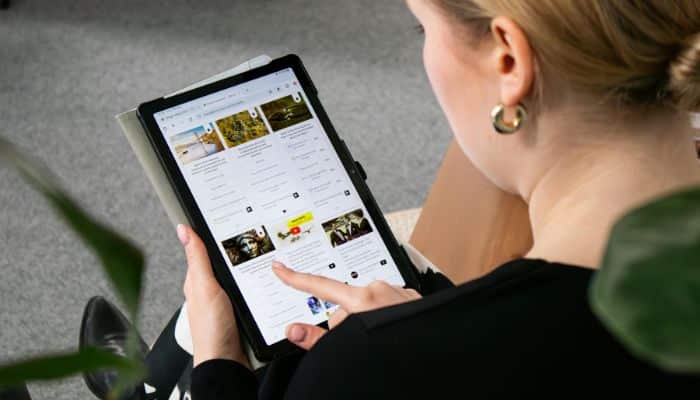
Buying a home is one of the biggest investments most people make, and trust plays a critical role in the process. For buyers—especially the first time buyer—working with professional, certified home inspectors provides the confidence needed to make informed decisions. In today’s digital era, social media has become an essential tool for inspectors to showcase their expertise, build credibility, and connect directly with potential clients. By sharing educational content, real inspection insights, and transparent communication online, inspectors help buyers feel reassured long before the actual inspection takes place.
Social Media as a Transparency Tool
One of the biggest challenges buyers face is knowing whether an inspector is reliable and professional. Social media allows home inspectors to break down that barrier by giving real-time insights into their work. Posting videos of routine inspections, sharing before-and-after images of issues found, and creating quick explainers on common home problems make the inspection process less intimidating.
When potential buyers see the work in action, they begin to feel comfortable with the inspector’s methods. This transparency helps bridge the gap between technical expertise and buyer understanding—something especially crucial for those entering the housing market for the first time. For many, the option to book home inspection online feels less risky when the inspector’s work and reputation are visible across social platforms.
Home Inspectors Building a Professional Image Through Consistency
Professionalism isn’t just about credentials—it’s also about how consistently inspectors present themselves online. A certified home inspector who maintains a clear, educational, and respectful tone across platforms projects reliability. Regular posting schedules, responsive communication in comments, and providing accurate information demonstrate both consistency and commitment.
For example, a home inspector might post a weekly “inspection tip” video on Instagram or LinkedIn. Over time, followers come to expect this content, reinforcing the inspector’s professional image. This steady online presence not only builds trust but also keeps the inspector top-of-mind when a buyer or real estate agent needs services.
Social Media Promotes Educational Content for First Time Buyers
First time buyers often feel overwhelmed by the technical language of inspections. Social media gives inspectors the opportunity to simplify complex terms and processes in a digestible format. Short clips explaining the importance of roof ventilation, infographics about common plumbing issues, or stories highlighting what certified inspectors check during a foundation inspection are all examples of content that adds real value.
Educational posts also invite engagement. A buyer scrolling through Facebook or TikTok might comment with a question about water damage signs, which gives the inspector a chance to provide expert advice. This kind of interaction demonstrates expertise while showing buyers that inspectors care about their concerns.
Humanizing the Inspector’s Role
Home inspectors are often viewed as technical professionals who appear briefly during a transaction and then disappear. Social media changes that perception by humanizing inspectors. Sharing behind-the-scenes moments, such as attending continuing education classes, participating in community events, or even showcasing personal hobbies, helps buyers see inspectors as approachable and relatable.
This personal touch makes a difference when buyers need reassurance. A friendly face they’ve already interacted with online feels more trustworthy than a name found in a directory. For first time buyers especially, knowing their inspector is both certified and personable eases anxiety.
Social Media Provides Reviews and Testimonials to Buyers in Real Time
Another way inspectors build trust is by amplifying reviews and testimonials through social media. Positive experiences from past clients carry significant weight for potential buyers. Sharing short video testimonials, reposting comments, or even doing live Q&A sessions with past clients can build credibility.
Buyers today often turn to social proof before making decisions. Seeing genuine stories from others who have worked with a professional inspector offers reassurance that they are choosing someone reliable. For inspectors, curating and sharing this feedback consistently is a direct way to showcase trustworthiness.
Inspectors Receive Live Engagement and Q&A Sessions
Social media platforms like Instagram Live, Facebook Live, and YouTube provide inspectors with opportunities to connect directly with their audience. Hosting Q&A sessions about inspection processes, common home issues, or even seasonal maintenance tips allows buyers to interact in real time.
Live engagement helps establish inspectors as approachable professionals who are willing to answer questions openly. For buyers who might hesitate to ask “basic” questions in person, these live sessions offer a comfortable and judgment-free space to learn.
Social Media Offers Showcasing Certifications and Ongoing Learning
While human connection is important, credentials remain a cornerstone of trust. Social media offers a stage for inspectors to highlight their certifications, licenses, and ongoing training. Sharing posts about attending industry conferences, completing new certifications, or adopting updated inspection technology reinforces professionalism.
This not only shows dedication to the craft but also assures buyers that their inspector stays current with industry standards. A certified inspector who shares their learning journey online projects both expertise and integrity.
Visual Storytelling: Pictures and Videos of Inspections
Visual content is more powerful than text alone. When inspectors share images of what they discover—like small cracks in a foundation, signs of pest damage, or outdated electrical wiring—they are educating while demonstrating expertise.
Short-form video content, such as TikTok reels or YouTube Shorts, can quickly capture attention and explain an issue in under a minute. For example, a clip showing how inspectors test smoke detectors or identify water leaks helps buyers see the value of the inspection process. These visuals serve as proof of the inspector’s thoroughness.
The Role of Community Building For Home Inspectors
Social media isn’t only about marketing—it’s also about building community. By engaging with local real estate groups, first time buyer forums, and neighborhood Facebook groups, inspectors integrate themselves into the fabric of the community they serve.
Active participation in discussions, offering advice without overt selling, and sharing helpful content all contribute to an inspector’s reputation. Over time, this community presence fosters trust and referrals, as buyers and agents alike recognize the inspector as a professional resource.
Conclusion: Trust Built Digitally, Earned Personally
The home inspection process is deeply tied to trust. Buyers, particularly those navigating the purchase of their first home, rely on inspectors not just for technical evaluations but also for guidance and reassurance. Social media gives certified inspectors the chance to extend that trust-building process beyond the inspection appointment itself.
Through transparency, educational content, live interactions, and authentic engagement, inspectors can demonstrate professionalism in ways that resonate with today’s buyers. When combined with strong credentials and real-world expertise, this digital presence builds confidence that lasts long after the closing papers are signed.